

Castle Futures
Co-design access to creative learning and heritage at Stirling Castle
The Renaissance Project, led by Historic Environment Scotland in partnership with Artlink Central, is transforming Stirling Castle’s learning spaces into a vibrant, accessible, and inclusive hub. This multi-phase initiative combines research, consultation, and creative engagement to ensure heritage learning meets the needs of diverse communities.

2
Inclusivity
Represent Scotland’s diverse communities in heritage spaces.
Our Vision
1
Accessibility
Remove physical and social barriers to participation
3
Creativity
Use co-design and arts-based approaches to engage learners of all ages and abilities.
Phase 1:
Research & Scoping (2023–2024)
What We Did
Mapped current learning facilities and usage.
Consulted with local schools, Additional Support Need providers, and cultural organisations.
Audited accessibility challenges in the Nether Bailey and wider site.
Explored best practice through case studies like Our Movement, Our Stories (OMOS), and Meet Your Maker.
Key Insights
High demand for learning services (25,000 visitors pre-pandemic).
Significant barriers for ASN schools and groups with complex needs.
Opportunities for self-led learning resources and a Maker Space.
Need for improved signage, lighting, toilets, and sensory-friendly spaces.
Recommendations
Prioritise infrastructure improvements (ramps, lighting, Changing Places toilets).
Develop inclusive interpretation and wayfinding.
Implement staff training on accessibility and inclusive communication.
Co-design programmes with local communities.
Phase 2:
Engagement & Co-Design (2024–2025)
What We Did
Delivered creative engagement with four partner groups:
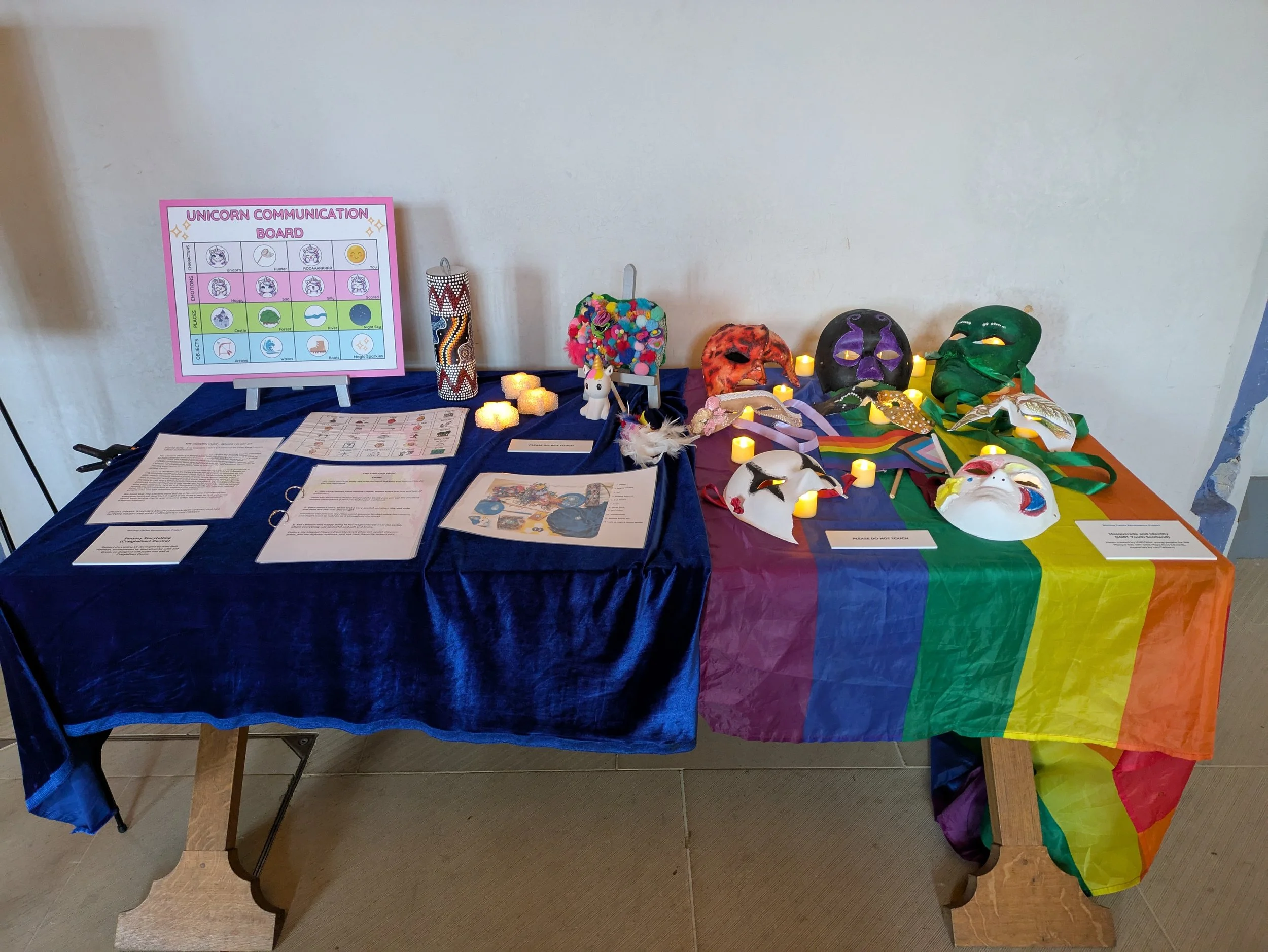
Craighalbert Centre – Sensory storytelling kits for children with complex needs.
LGBT Youth Scotland – Masquerade Ball project exploring queer history.
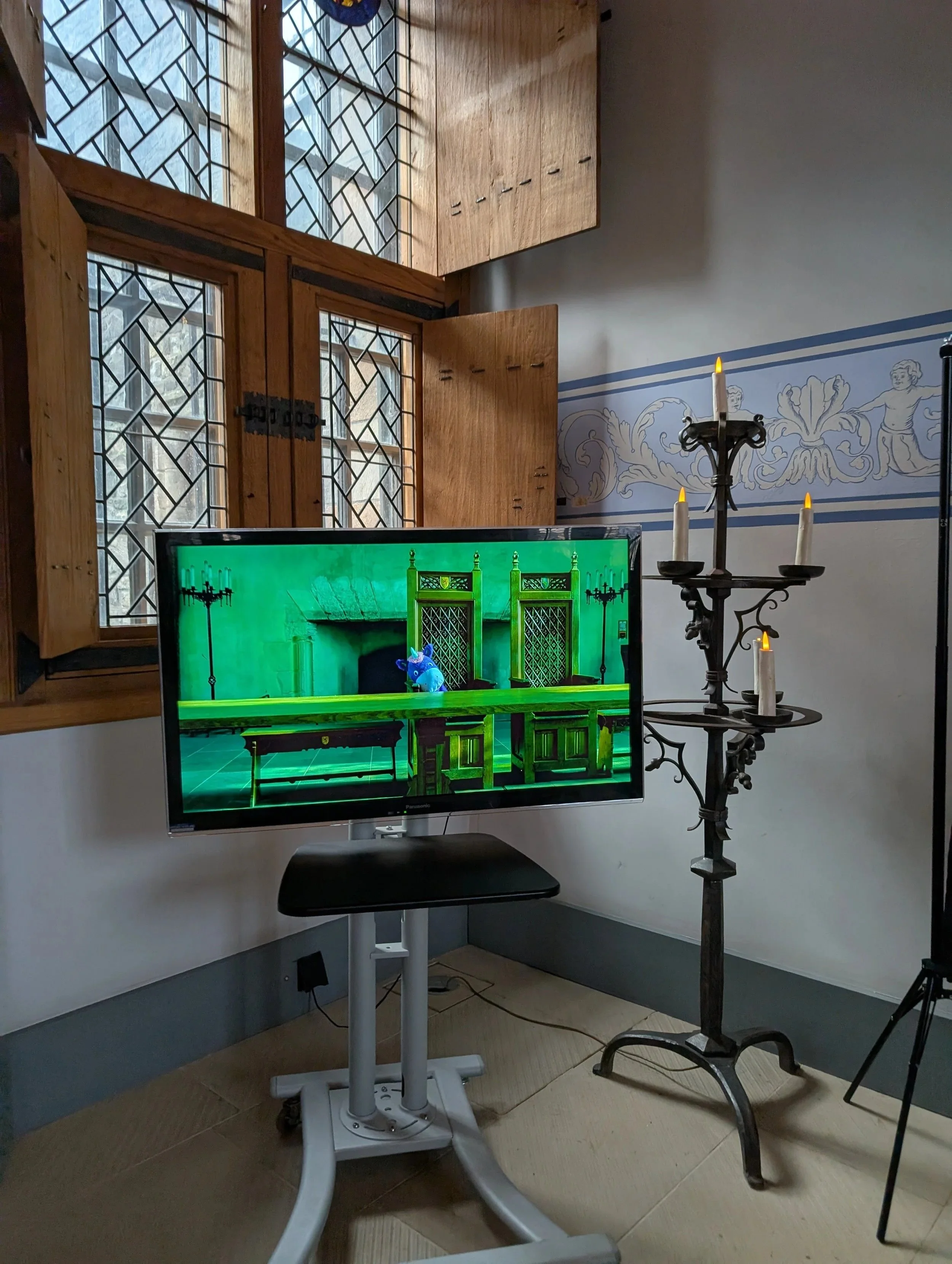
Stirling Young Carers – Short films reimagining castle stories for social media.
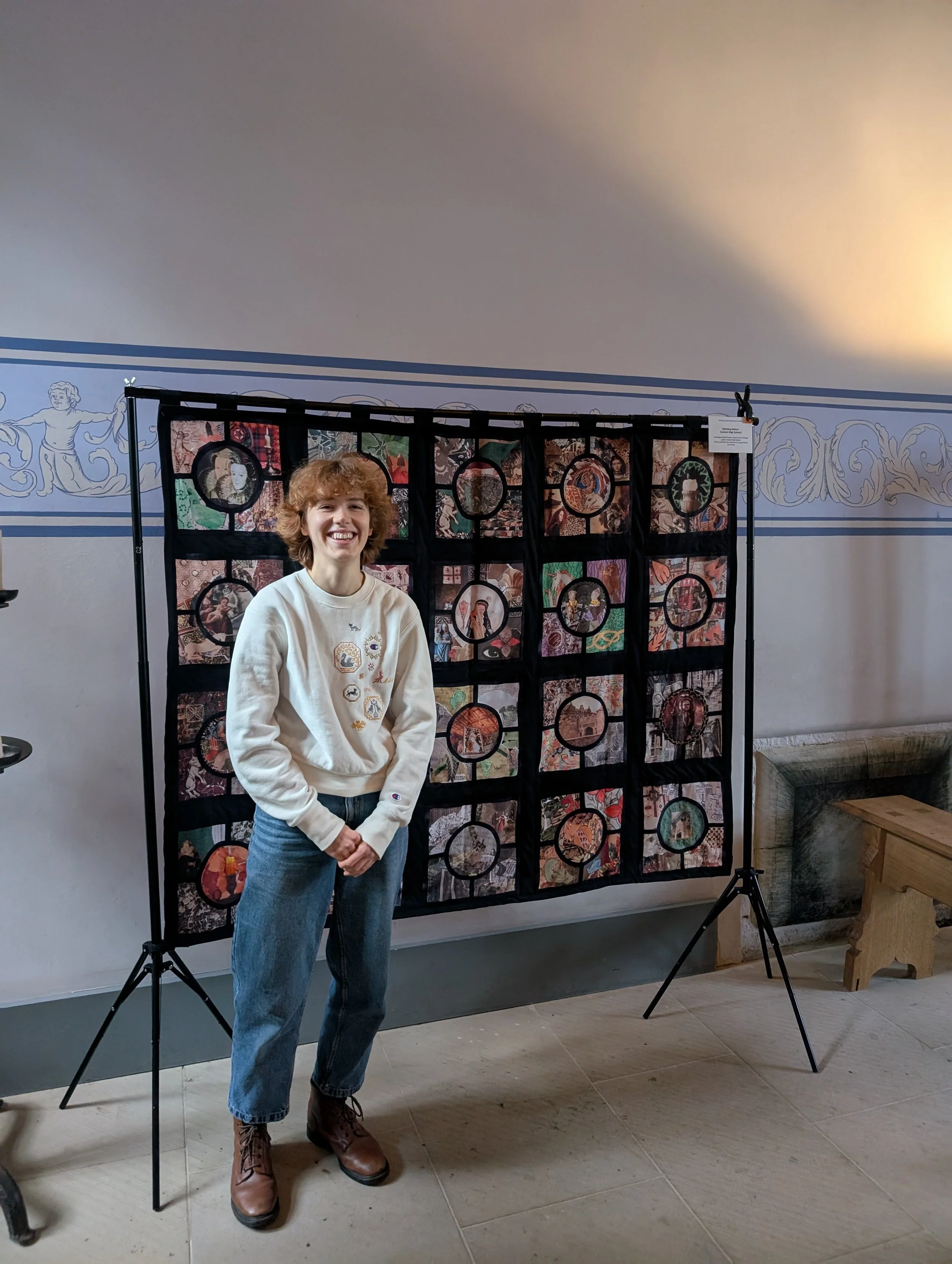
Larbert High School – Textile banner inspired by castle heritage.
Hosted exhibitions and sharing events, including Stirling Culture Night.
Developed practical recommendations for accessibility and inclusive programming.
Key Outcomes
Sensory kits and virtual tours for outreach.
Modernised learning offer to include diverse narratives.
Strengthened partnerships with schools and community groups.
Proposed Tapestry Studio as a permanent creative learning hub.
Legacy & Future
The Renaissance Project sets a blueprint for inclusive heritage engagement:
Infrastructure upgrades for accessibility.
Creative learning hubs for community and school partnerships.
Ongoing co-design with diverse groups to shape future programmes.